
Workplace Security starts at the door. The entry and exit points of a business are often the first and last places where employees, visitors, customers, and delivery staff interact with your workplace. If these areas are not properly secured, unauthorized people can enter, valuable items can leave without permission, and serious safety risks can develop.
Good Workplace Security does not always require complicated systems. Simple security devices, proper procedures, and trained employees can make a big difference. From metal detectors and access control systems to communication devices, businesses have several ways to make their entry and exit points safer.
Why Workplace Security Starts at Entry and Exit Points
Entry and exit areas are busy parts of almost every workplace. Employees arrive, visitors come for meetings, deliveries are received, and staff members leave throughout the day. With so much activity, it can be difficult to know who should be inside the building.
In the past, many businesses depended mainly on security guards, visitor registers, and manual checking. These methods could work, but they were often slow and depended heavily on human attention.
Today, modern Workplace Security solutions make this process faster and more organized. Security teams can use technology to check people, control access, and respond quickly when something unusual happens.
Use Access Control to Manage Entry
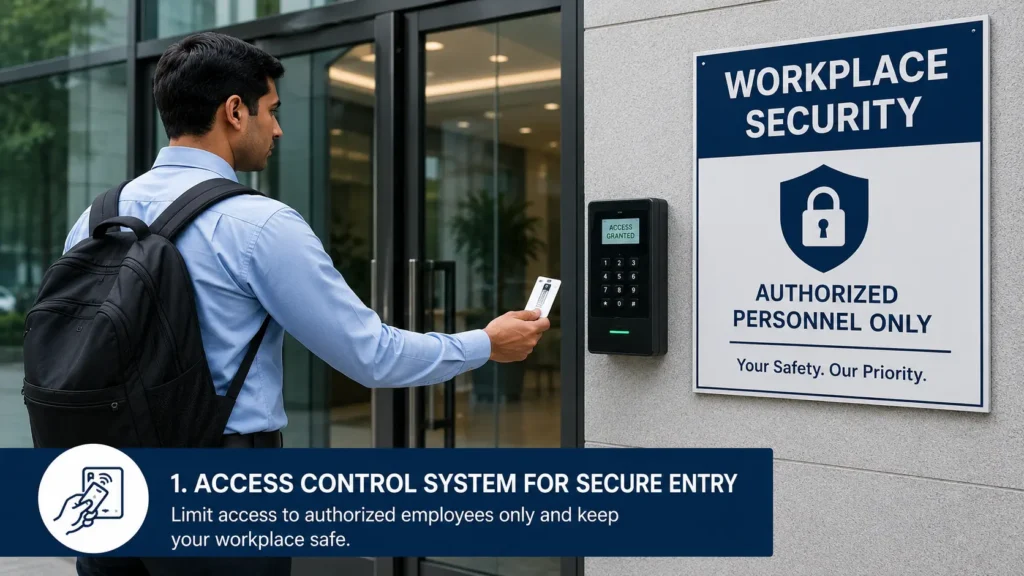
One of the easiest ways to improve Workplace Security is by controlling who can enter the building.
Access control systems can use cards, PINs, fingerprints, or other identification methods. Instead of allowing everyone to enter freely, businesses can give access only to authorized employees.
For example, an employee may have access to the main office but not the storage room or server room. This helps reduce unauthorized access and protects important equipment and information.
Modern access control systems can also keep records of entries and exits, making it easier for businesses to know who entered an area and when.
Install Metal Detectors for Better Screening
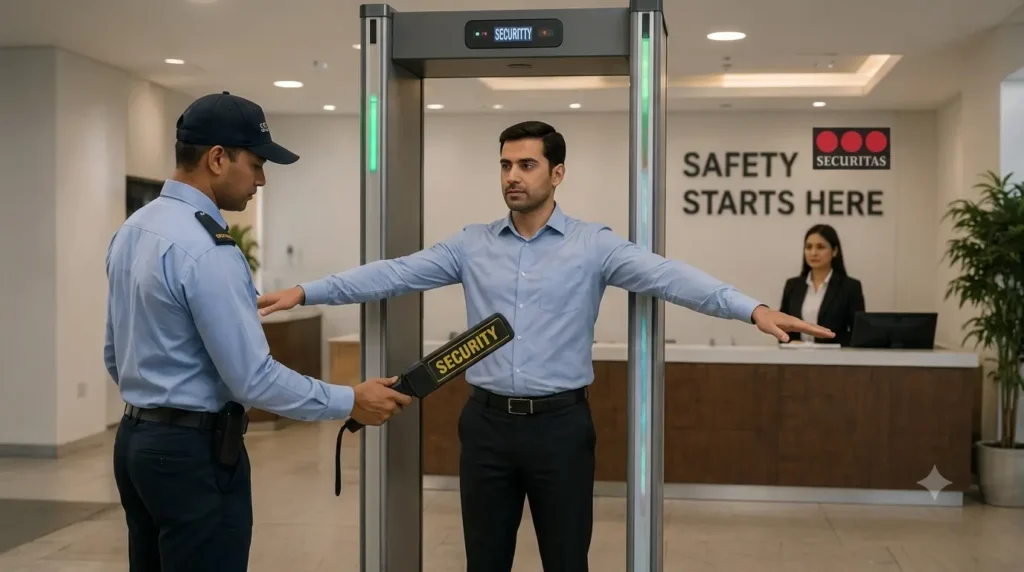
Metal detectors are another useful tool for improving Workplace Security, especially in businesses where safety is a major concern.
Handheld metal detectors can be used to check individuals, while walk-through metal detectors can screen people as they enter a building. These devices can help detect concealed metal objects and prohibited items.
In the past, security staff often depended on manual searches. Manual checking could take more time and might not always identify a hidden object.
Modern metal detectors make screening quicker and more consistent. They are useful in factories, warehouses, offices, schools, event venues, and other workplaces where controlled entry is important.
Use Walkie Talkies for Quick Communication
Security is not only about checking people at the entrance. Security teams also need to communicate quickly when something happens.
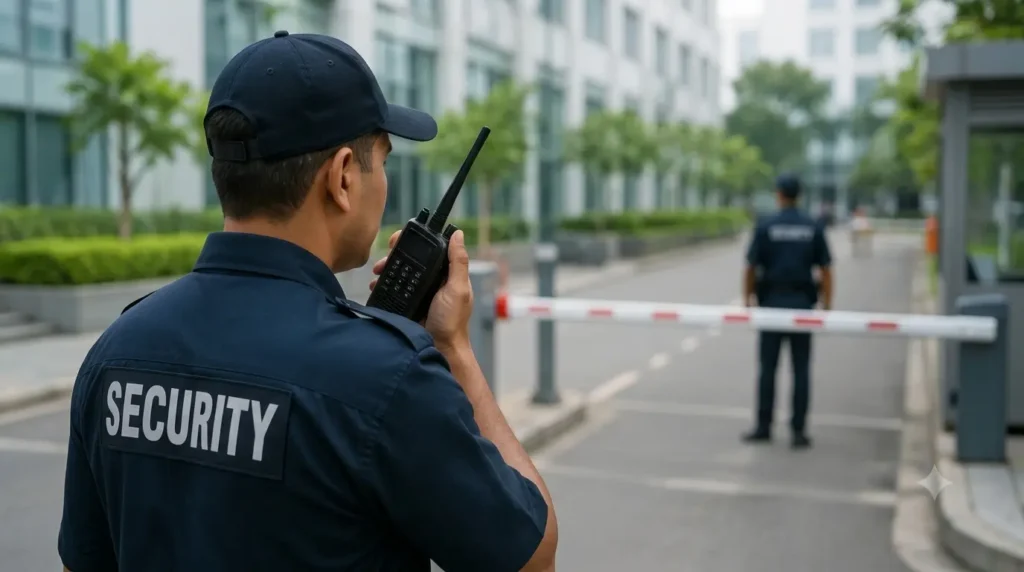
Walkie talkies can make Workplace Security more effective by allowing guards and staff members to communicate instantly.
For example, if a guard notices a suspicious person near an exit, they can immediately inform another security team member. There is no need to dial a number or wait for a call to connect.
Walkie talkies are especially helpful in large workplaces where security staff may be located at different entrances, parking areas, warehouses, or floors.
Monitor Entry and Exit Areas With CCTV
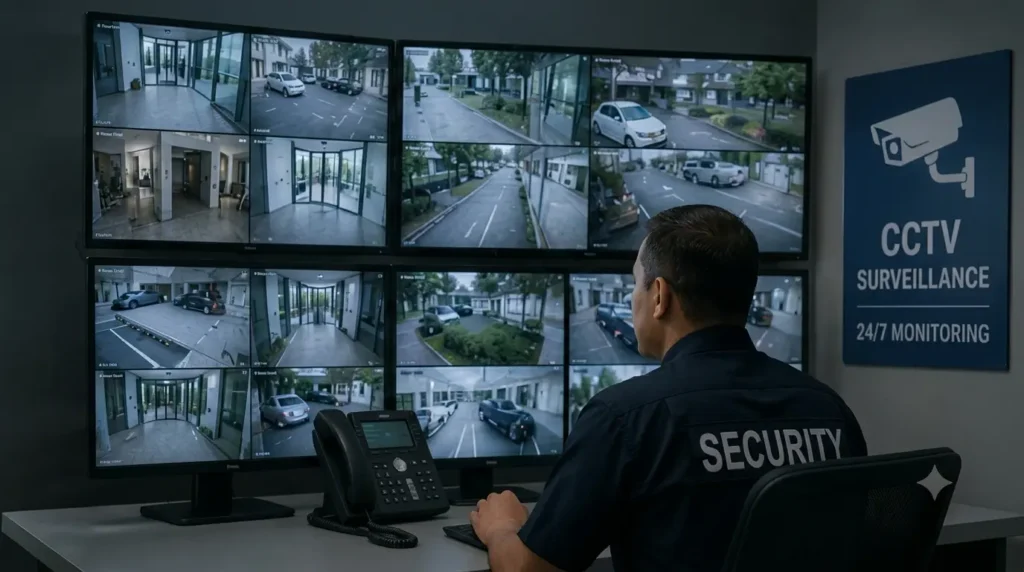
CCTV cameras provide another layer of protection around business entrances and exits.
A camera can monitor who enters and leaves, observe unusual activity, and record incidents. Visible cameras can also discourage people from attempting theft or unauthorized access.
Businesses can place CCTV cameras near:
- Main entrances
- Emergency exits
- Parking areas
- Loading zones
- Reception areas
- Storage entrances
Modern CCTV systems can also allow security teams to monitor different areas from a central location. This makes Workplace Security easier to manage, especially in large buildings.
Check Visitors and Delivery Personnel
Visitors and delivery staff should follow a clear entry process. A simple visitor management system can help businesses maintain better control over who is inside the building.
Visitors can be asked to provide their name, purpose of the visit, and the person they are meeting. Depending on the workplace, they may also receive a visitor badge.
Delivery personnel should also use designated entry points where possible. This prevents unnecessary movement through restricted areas and makes it easier for security staff to monitor deliveries.
Keep Emergency Exits Secure but Accessible
Emergency exits require special attention. They should not be blocked or used as normal entry points unless the building’s safety procedures allow it.
At the same time, emergency exits must remain accessible during an emergency.
Businesses should regularly check that exit doors, signs, lighting, and surrounding areas are in good condition. Security should never create a situation where people cannot leave safely during an emergency.
Train Security Staff and Employees
Technology can improve Workplace Security, but trained people are still essential.
Security guards and employees should know how to identify suspicious behavior, use security equipment, report incidents, and follow emergency procedures.
Regular training can help employees understand what to do instead of becoming confused during an unexpected situation.
A simple security rule can also be useful: if something looks unusual, report it rather than ignoring it.
Regularly Review Your Security System
Security needs can change as a business grows. A company may add new employees, open another entrance, increase its inventory, or move into a larger building.
For this reason, businesses should regularly review their Workplace Security measures.
Check whether cameras are working, metal detectors are functioning properly, access cards are updated, and communication devices are ready for use. Remove access permissions for employees who no longer need them.
Regular checks can help identify weak points before they become serious problems.
Conclusion
Improving security at business entry and exit points does not have to be complicated. A combination of access control systems, metal detectors, CCTV cameras, walkie talkies, visitor checks, and employee training can create a much safer workplace.
Compared with the past, businesses today have better tools to control access, monitor activity, screen visitors, and communicate quickly. However, technology works best when it is combined with clear procedures and responsible employees.
By taking small but practical steps, businesses can strengthen Workplace Security, reduce risks, protect valuable assets, and create a safer environment for everyone.